|
"The knowledge is there enough to know that the ocean is in trouble. And we know our life is inextricably linked to the ocean which is our life-support system," marine biologist Sylvia Earle told reporters at the fifth World Parks Congress in South Africa.
At least 10 marine species, including certain types of abalone, seagrass, a Mediterranean seal, a north Atlantic whale, the largest of all sea turtles and the "flat shark", are on the brink of extinction.
According to a worldwide list of environmentally protected areas publicised at the 10-day congress Tuesday, marine life is lagging desperately behind and is included in only 0.5 percent of the total of 100,000 protected sites.
Earle, who is the executive director of Conservation International's marine division, said that figure needed to be increased to 12 percent within in the next decade to prevent wide-scale damage.
"What took 100 years to protect on land has to be done in the next 10 years in the ocean -- or we risk further massive disturbances to marine life and the health of the oceans, which inevitably means we humans will also be in grave trouble," a report released by Conservation International stated.
Earler said it was crucial to recognise the ocean's critical role in sustaining life on land.
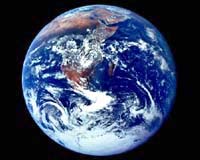
It contains 97 percent of the earth's water, drives climate and weather, regulates temperature and generates more than 70 percent of the oxygen in the atmosphere.
The ocean also absorbs carbon dioxide and replenishes fresh water to land and sea through the formation of clouds bearing rain.
"Urgent action is needed to address serious ocean concerns, but there is a profound lack of awareness of both the recent sharp decline in ocean health and the importance of the ocean to human survival," the report said.
Earle said a global action plan, dubbed Defying Ocean's End, was focusing on developing action plans to reach the 12 percent site goal with one-year, three-year and 10-year deadlines.
It also involves the establishment of a global ocean trust, since the expansion of protected areas into the marine world will cost an estimated 18.6 billion dollars (16.6 billion euros) over a 10-year period, Earle added.
The plan of action is supported by the Nature Conservancy, the WWF ecology group and the Natural Resources Defense Council.
Marine experts are debating the issue at the WPC taking place in South Africa's eastern port city of Durban, where 2,500 delegates from 170 countries have gathered to discuss the world's protected areas and how to safeguard them.
The congress staged by the World Conservation Union will come to an end next Wednesday when delegates will accept a "Durban accord" setting goals for the next 10 years.
The ocean is home to most of the life on earth, including nearly all major groups of animals, plants and microbes, comprising 97 percent of the biosphere. Seven marine species have already gone extinct since 1768 -- the last being the West Indian monk seal in 1952.
A study published in May this year showed that 90 percent of the populations of large tuna, swordfish, marlin and other fish species have disappeared.
"Without the living ocean, earth would be as barren as Mars, but few understand that trouble for the ocean means trouble for humankind," the Conservation International document said.
TERRA.WIRE |