
 |
 |
 |
 |
 |
 |
 |
 |
 |
 |

| . |  |
. |

Kabul (AFP) July 12, 2010 The overwhelming majority of the bombs used to devastating effect by the Taliban in Afghanistan are made from a fertiliser that has been banned by the Kabul government, the defence ministry said Monday. Ammonium nitrate is the basic ingredient of 80 percent of the crude bombs that are killing record numbers of foreign troops and Afghan civilians each year, the ministry said. The bombs, known as improvised explosive devices (IEDs) are cheap and easy to make, and are widely deployed by the insurgents in their war against the government of President Hamid Karzai, now almost nine years old. General Mohammad Shafi Baheer, deputy director of the ministry's planning department, said that until 2007, IEDs were made from leftover ordnance, littered across the country during the Soviet occupation of the 1980s. "In 2009, 80 percent of materials needed to make bombs were ammonium nitrate and potassium nitrate, which are found in fertilizers," he told reporters. By 2008, the use of old mortars, rockets, bombs and other military explosives in IEDs had dropped to 38 percent, by 2009 to 20 percent, he said. Under pressure from his international partners, Karzai last December banned the use, import and production of ammonium nitrate fertilizers. Ashton Carter, US undersecretary of defence for acquisition, technology and logistics, said last week that Afghan authorities were tightening the border to restrict the flow of fertilizer into Afghanistan from neighbouring Pakistan. Most of the ammonium nitrate, or IEDs made from it, were now coming in from Pakistan, he said. Pakistan has long been implicated in violence in Afghanistan. Afghan and US officials have blamed Pakistani intelligence and the military for sheltering and collaborating with militant groups based on its side of the border. A June UN report marked an "alarming" 94 percent increase in IED incidents in the first four months of this year compared to 2009. The military says intensifying efforts against the Taliban are being matched by more attacks. Afghan officials have blamed a number of major attacks on militant groups that have carved out havens in Pakistan's northwestern tribal belt. Afghanistan's national security adviser Rangin Dadfar Spanta has asked Pakistan to take action against Al-Qaeda, the Taliban and the Haqqani network. The United States is set to deliver three billion dollars worth of equipment and personnel aimed at countering the Taliban-made bombs. Afghan authorities have set up a IED detection and defusing school to train Afghan soldiers and policemen as part of the capacity-building efforts aimed at helping the country take on its own security.
Share This Article With Planet Earth
Related Links News From Across The Stans

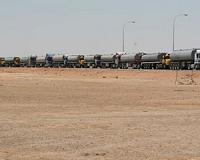 Commentary: A three-front war?
Washington (UPI) Jul 12, 2010 There is no better illustration of the futility of the $1 trillion Iraq war than news photos of a long line of gasoline tankers lined up bumper to bumper as they leave Iraq to enter Iran. The U.N. Security Council decision to strengthen economic measures against Iran and U.S. President Barack Obama signing into law draconian new legislative sanctions against Iran's nuclear weapons ambit ... read more |
|
|
| The content herein, unless otherwise known to be public domain, are Copyright 1995-2010 - SpaceDaily. AFP and UPI Wire Stories are copyright Agence France-Presse and United Press International. ESA Portal Reports are copyright European Space Agency. All NASA sourced material is public domain. Additional copyrights may apply in whole or part to other bona fide parties. Advertising does not imply endorsement,agreement or approval of any opinions, statements or information provided by SpaceDaily on any Web page published or hosted by SpaceDaily. Privacy Statement |


 del.icio.us
 Digg
Digg Reddit
 YahooMyWeb
 Google
 Facebook







