|
 |
 |
 |
 |
 |
 |
 |
 |
 |

| . |  |
. |
Analysis: SAARC eyes anti-terror mechanism
New Delhi (UPI) Oct 25, 2007 A South Asian regional body has proposed putting in place an institutional mechanism to enhance cooperation among member nations to counter terrorism in the region. India, the largest member of the South Asian Association for Regional Cooperation, touted the idea in a three-day conference of police chiefs of member nations in New Delhi. SAARC brings together Afghanistan, Bangladesh, Bhutan, India, Maldives, Nepal, Pakistan and Sri Lanka. "The majority of the heads of police of eight-member body were in favor of setting up such a mechanism under which they could share the intelligence inputs to prevent occurrence of terror strikes," said Madhukar Gupta, the Indian interior secretary. The Indian Interior Ministry said heads of the police of member states -- including Pakistan -- called for the setting up of an institutional mechanism to enhance cooperation to fight terrorism in the region. "The proposed mechanism �� would go a long way in containing terror strikes that are frequently taking place in the South Asian subcontinent from India to Pakistan to Bangladesh and Sri Lanka," said Ajai Sahni, executive director of Institute of Conflict Management, a non-governmental think tank. He said the mechanism would help India prevent future attacks as security forces would have prior intelligence. The idea of creating a database for improved coordination to deal with terrorism, drug trafficking, cybercrimes and financial fraud was raised at the conference that ended Thursday. On the first day of the three-day conference, interior ministers of SAARC countries met police chiefs who agreed to share information to stop trans-border crimes. The conference was held amid the backdrop of terrorist attacks in both India and Pakistan. Interior secretaries of SAARC nations meeting Thursday deliberated measures to harmonize national legislation and procedures. Under their plan, they will extend legal cooperation in dealing with arrested criminals and check drug smuggling and human trafficking. "This will result in enhanced cooperation on crimes without relying solely on bilateral settlements," Gupta said. SAARC is also contemplating setting up a SAARCPol, designed along the lines of Interpol and Europol. The interior secretaries endorsed the idea of such a body during a similar meeting in Dhaka, Bangladesh, in May 2006. The proposal moved forward at this conference and is expected to take shape next time. India also pressed for an early ratification of the SAARC Regional Convention on Suppression of Terrorism and the Additional Protocol to the SAARC Regional Convention by member countries. SAARC has moved toward taking measures to prevent financing of terrorist acts and the trafficking of drugs and arms. The participants also discussed increased cooperation in security-related areas. "The meetings deliberated on �� a network of cooperation among police chiefs, SAARC visa-exemption scheme, a draft convention on mutual legal assistance in criminal matters and greater strength to existing mechanisms of cooperation in drugs, terrorism and trafficking," an Interior Ministry spokesman said. India, through SAARC, wants both Pakistan and Bangladesh to commit to dismantle what New Delhi describes as terrorist infrastructure on their soils. In the past, the two countries have resisted introducing an anti-terrorism mechanism to the bloc, but recent terrorist attacks in both nations have made their positions closer to India's. "Now when both Pakistan and Bangladesh have become victims of terror, they will have to realize the utility of having an institutional anti-terror mechanism at the subcontinent level," Gupta said. Community Email This Article Comment On This Article Related Links The Long War - Doctrine and Application
 Defense Focus: Israel's fence -- Part 1
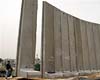 Washington (UPI) Oct 22, 2007
 Flying by helicopter along the entire northern half of Israel's security barrier sealing off most of the West Bank to lock out Palestinian suicide bombers brings home clearly a simple truth almost never mentioned in the U.S. and European media -- the security barrier is a fence, not a wall. |
|
|

| The content herein, unless otherwise known to be public domain, are Copyright 1995-2007 - SpaceDaily.AFP and UPI Wire Stories are copyright Agence France-Presse and United Press International. ESA Portal Reports are copyright European Space Agency. All NASA sourced material is public domain. Additional copyrights may apply in whole or part to other bona fide parties. Advertising does not imply endorsement,agreement or approval of any opinions, statements or information provided by SpaceDaily on any Web page published or hosted by SpaceDaily. Privacy Statement |