|
 |
 |
 |
 |
 |
 |
 |
 |
 |

| . |  |
. |
Astronauts To Conduct Study Of Bacterial Growth In Space
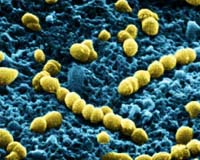
Moffett Field CA (SPX) Aug 10, 2007 When space shuttle Endeavour rocketed into space yesterday, it took along a common microorganism normally found in the upper respiratory tract of approximately 40 percent of the healthy human population. The experiment, Streptococcus pneumoniae Expression of Genes in Space (SPEGIS), part of the STS-118 space shuttle mission launched Aug. 8, 2007, will investigate the effects of the space environment on the common microorganism Streptococcus pneumoniae (S. Pneumoniae). Scientists believe that sending this bacterium into space may lead to a better understanding of S. pneumoniae, an opportunistic human pathogen, which causes infections in individuals with reduced immune function. This bacterial pathogen is the most common cause of pneumonia, middle ear infections and bacterial meningitis. "The opportunity to investigate and understand the effects of spaceflight on the pathogenic potential of S. pneumoniae may further the design and development of new drugs that can be used for treatment of diseases on Earth," said Hami Teal, the experiment's project scientist and a researcher at NASA Ames Research Center, Moffett Field, Calif. Vials containing bacterial cultures were loaded aboard space shuttle Endeavor in SPEGIS Canister Assemblies developed by NASA. The hardware consists of three canisters, each containing three sealed polypropylene vials inserted into aluminum jackets to improve contact and enhance thermal transfer. The SPEGIS experiment only requires transfer of the canisters from refrigeration to incubation and then to a freezer to preserve the sample. The SPEGIS experiment will be returned to Earth for analysis by scientists. Since the SPEGIS Canisters are triple-contained and never opened, the crew is never in direct contact with the bacterial cultures. "We expect the SPEGIS experiment will provide important new information about how microbes adapt to microgravity and the spacecraft environment. These results will lead to a better understanding of these organisms on a molecular level and how their ability to interact with humans may be altered," said David W. Niesel, the project's principal investigator and professor at the University of Texas Medical Branch in Galveston, TX. Community Email This Article Comment On This Article Related Links SPEGIS at NASA Space Station News at Space-Travel.Com
 Progress Cargo Ship With Computer Equipment Docks With ISS
 Moscow (RIA Novosti) Aug 06, 2007
The Progress M-61 cargo spacecraft carrying food, water, and fuel supplies for the crew, and equipment to repair onboard computers has automatically docked with the global orbital station, the mission control said. The cargo ship docked with the International Space Station (ISS) on schedule at 22:40 Moscow time (18:40 GMT) Sunday delivering much needed additional equipment to fix the onboard laptops of the Russian segment, which crashed on June 11. The Russian crew, Fyodor Yurchikhin and Oleg Kotov, had temporarily repaired the damage but extra equipment was required. |
|
|

| The content herein, unless otherwise known to be public domain, are Copyright 1995-2007 - SpaceDaily.AFP and UPI Wire Stories are copyright Agence France-Presse and United Press International. ESA Portal Reports are copyright European Space Agency. All NASA sourced material is public domain. Additional copyrights may apply in whole or part to other bona fide parties. Advertising does not imply endorsement,agreement or approval of any opinions, statements or information provided by SpaceDaily on any Web page published or hosted by SpaceDaily. Privacy Statement |