|
 |
 |
 |
 |
 |
 |
 |
 |
 |

| . |  |
. |
The Driving Doctor: Take Time To Observe
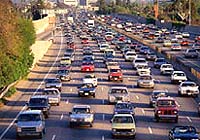
Washington (UPI) Aug 09, 2005 Part of becoming a better and safer driver means achieving a deeper sense of the impact of unsafe driving - how it appears to others and the effect it has on those by the roadside. This is something you cannot gain by cruising down the highways and byways with the windows up and shutting out the noise, with the a.c. keeping things cool, or with the radio or CD player blaring. Under those conditions, it is easy to become isolated from the effects of navigating those two tons or more of metal and plastic on four wheels. That is why I recommend giving yourself a dose of reality once in a while. Leave the vehicle parked and take a good look at our driving culture from an unconventional vantage point: as a pedestrian alongside the road. I am serious. It is important that we all understand just what constitutes common behavior behind the wheel these days. This requires some effort and a bit of detached observation. Sometime soon, walk to a nearby busy street or road or, if nothing suitable is close enough, drive to a good vantage point - but get outside. Find a place to sit or stand that is safely away from the flow of traffic - such as a park bench, a sidewalk on an overpass or a balcony above the pavement - where you can watch vehicles roll past without endangering yourself, but close enough to watch closely and react to what is going on. Locate that spot, then start looking and listening. Even if you do this only a few minutes, you will begin to see what I mean. Soon, you will become aware of the noise and aggression generated by the traffic. This is particularly true if those vehicles are rolling along an expressway or starting out from an intersection controlled by a stoplight. You will find yourself feeling less and less at ease and wanting to move away from the activity, because it is far from a pleasant experience. Something else you will observe: Even if the drivers can see you easily, nearly all of them will take little or no notice of you. Their attention is ahead - or, rather, getting ahead - as they press for relative advantage. Stay long enough and no doubt you will see people running red lights or failing to stop at stop signs or exceeding the speed limit by a considerable margin. You will see a lot of drivers behaving unsafely. If you can stand close enough to the traffic without jeopardizing your safety in any way, notice the facial expressions and body postures of the drivers. Whenever I spend time observing in this way - which I do almost daily at my neighborhood bus stop - it never ceases to amaze me how stressed and unhappy most of them look. Stressed and unhappy, or lost in detachment, maybe talking on their cell phones or just staring blankly at the road, so many people drive along the streets and roads as though there was not another living soul within miles. This is what we have become as a vehicular society. It is not sophisticated or positive behavior. It is not even primitive, because ages ago we were a tribal species, strongly connected to those in closest proximity to us. No. What we do now is primal, expressing feelings of isolation and vague fearfulness - not exactly healthy, neither for each of us nor for the other nervous, skittish souls who surround us on the road. It is a situation we must overcome, both individually and collectively, to fight the carnage such behavior causes.
Related Links  Chicago IL (UPI) Aug 02, 2005
Commuters cruise down Interstate 95 from New York City to Washington, D.C., bumper to bumper, at a speed of 120 miles per hour - about a two-hour trip at that speed. Do they worry about collisions? Not at all. They can even check the Dow Jones industrial average or browse new books on Amazon.com while they motor. |
|
|

| The content herein, unless otherwise known to be public domain, are Copyright 1995-2006 - SpaceDaily.AFP and UPI Wire Stories are copyright Agence France-Presse and United Press International. ESA PortalReports are copyright European Space Agency. All NASA sourced material is public domain. Additionalcopyrights may apply in whole or part to other bona fide parties. Advertising does not imply endorsement,agreement or approval of any opinions, statements or information provided by SpaceDaily on any Web page published or hosted by SpaceDaily. Privacy Statement |